
In recent years, China has moved from being a luxury market to the market. Measured not only in scale, but in cultural influence.
According to McKinsey & Company, Chinese consumers remain the biggest growth opportunity for the luxury sector, a shift that has quietly reshaped how brands think, create, and expand.
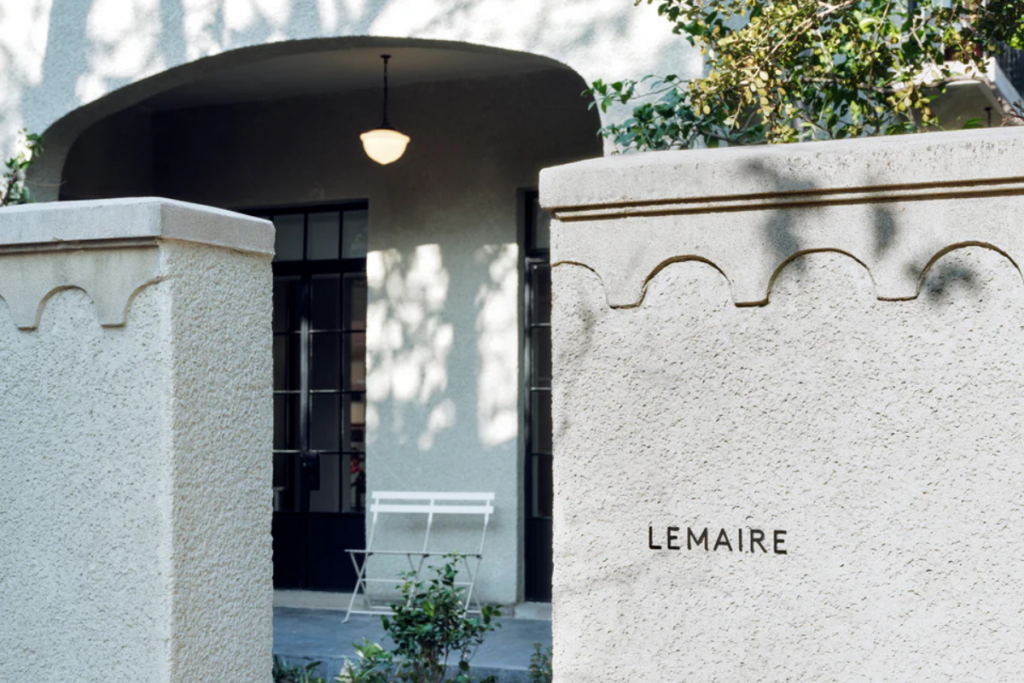
That influence also reshapes how campaigns are read. When Lemaire, a Paris-based label known for its design-led approach, released its new campaign, the visuals quickly drew backlash, not for the objects themselves, but for the symbolism embedded within them.
Read more: How Growing Businesses Can Build a Strong PR Presence Without a Big Budget
When Objects Begin to Speak Differently
The Objets Senteur collection explored fragrance through sculptural forms. Each object was designed to hold scent, with an emphasis on material and shape. One of the central pieces, Tresse, took the form of a long braided structure, presented as an artisanal object.

The campaign extended this idea into a series of visuals that placed the object within a more narrative setting. Among the recurring elements was a pair of scissors. Positioned close to the braided form, the object appeared deliberate, almost staged to suggest interaction.
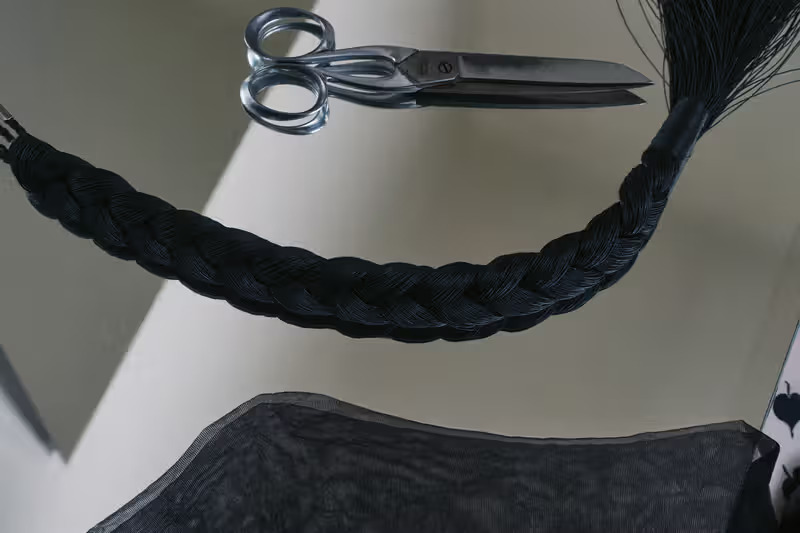
In a Western language, scissors are read as a neutral tool. They suggest process, craft, or transformation. Within Chinese cultural understanding, the object carries a different meaning.
According to the South China Morning Post, scissors in Chinese culture are associated with cutting ties and can symbolize separation or negative energy. The presence of the object introduces a tension that shifts how the image is read.
As noted by Jing Daily in its analysis of the campaign, the queue hairstyle holds deep historical significance in China, particularly during the Qing dynasty. It has long been tied to identity, control, and moments of social upheaval.
Seen together, it carries associations with resistance, rupture, and, at times, humiliation. What may have been intended as an exploration of form begins to echo a historical narrative, as the absence of context allows the imagery to draw meaning from cultural trauma.
A Backlash Shaped by Interpretation, Not Intention
The reaction across Chinese social platforms developed quickly. Conversations focused less on the product itself and more on the symbolism embedded in the visuals. The campaign was read as historically insensitive, with particular attention given to the pairing of the scissors and the braid.
From a public relations perspective, the issue begins to unfold within the construction of the image. Objects that appear neutral during the creative process can carry specific meanings once placed within a different cultural frame.
The positioning of the scissors in proximity to the braid creates a visual suggestion that may not have been fully considered by the brand. Without accompanying context, the public is left to interpret the scene through its own references, many of which are rooted in history.

This is where the gap becomes visible. Internally, the campaign may have been understood as an extension of craft and material exploration. Externally, it was read as a symbolic act. The difference between those two readings sits at the centre of the backlash.
What this moment reveals is not a single error, but a limitation in perspective. Cultural vetting, when present, can help identify how visual elements function beyond their aesthetic role. It requires looking at objects as design components that are carriers of meaning shaped by local context.
Read more: How to Use AI for Writing Articles Without Losing Human Touch
A Familiar Issue in a Global Industry
Lemaire’s case does not exist in isolation. In 2022, Balenciaga faced criticism for imagery involving children and stylized objects that were interpreted as inappropriate.
A year later, Zara removed a campaign after audiences connected its visuals to scenes from the war in Gaza. Industry analysis noted that the issue lay not only in the imagery but in how it was received within a specific moment.
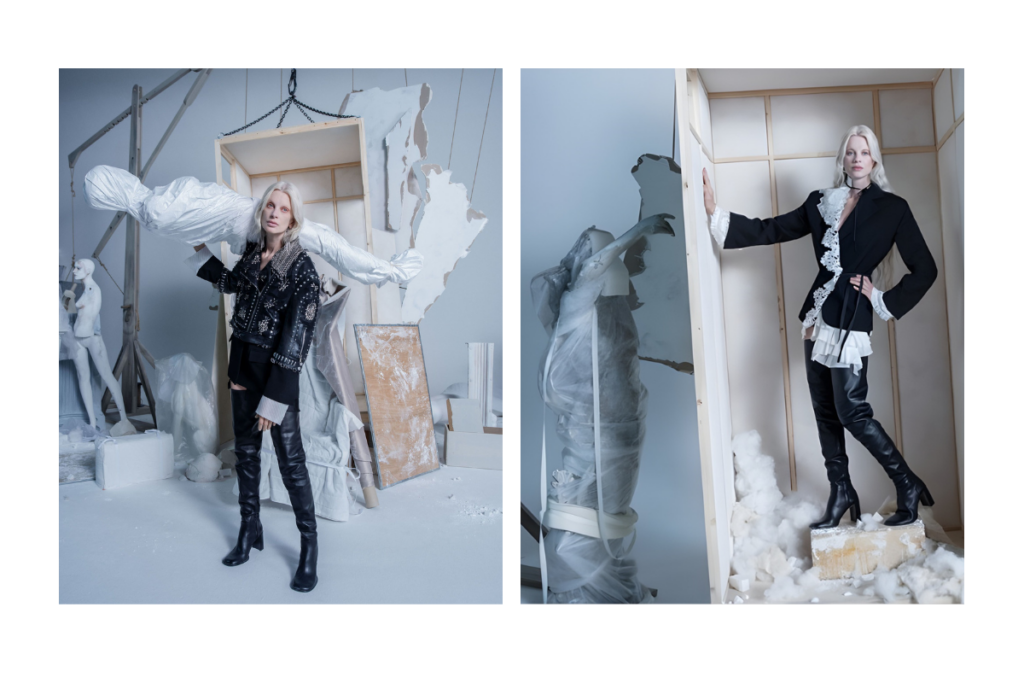
Across these cases, a pattern emerges. Campaigns are no longer evaluated solely on intention. They are judged on impact, shaped by timing, context, and cultural memory.
Response, Reflection, and What Follows
Lemaire responded by removing the campaign visuals from its platforms. On April 26, the brand issued an apology through its official Xiaohongshu account, expressing regret for the discomfort caused.
The statement described the incident as a moment for reflection and outlined plans to strengthen internal cultural review processes with a more careful approach to future creative work.
The response follows a structure that has become familiar in global public relations. Content is withdrawn, a statement is issued, and a commitment to improvement is made. Yet the question that remains is how that commitment is carried forward?
Addressing situations like this calls for more than immediate correction. It requires an empathetic response that recognises not only that harm was caused, but also where that harm comes from.
It signals to audiences, partners, and stakeholders that a brand understands the responsibility that comes with telling stories shaped by real histories and real consequences.
In this case, the reaction was shaped by cultural symbolism and historical memory. Without addressing that layer directly, a response can feel distant, even when it is well-intended.
It also requires a more contextual approach. Three practical steps can help strengthen recovery in situations like this.
Develop Ongoing Cultural Consultation
Brands benefit from working with local experts during the early stages of campaign development, allowing potential sensitivities to be identified before production begins.
Create Clearer Narrative Framing
Visual campaigns should include context that guides interpretation, reducing ambiguity, and helping audiences understand the intended message across cultural settings.
Demonstrate Visible Internal Change
Audiences look for consistency after an apology. Future campaigns need to reflect a deeper awareness of cultural meaning to rebuild trust over time.
Read more: Creating a Media Kit That Tells Your Brand Story Right
The PR Takeaway
Lemaire’s case highlights how meaning can shift once an image enters a different cultural space. Objects that seem simple within a studio can carry histories that reshape their significance elsewhere.
For public relations practitioners, the lesson is grounded in awareness. Research, context, and local understanding shape how a campaign is received. In a global market, careful reading of cultural signals becomes part of the creative process itself.
For brands operating across cultures, the task is no longer just to create, but to listen. To histories, to contexts, to the spaces where design meets memory. Recognising cultural signals is not an added layer. It is part of the work itself.