
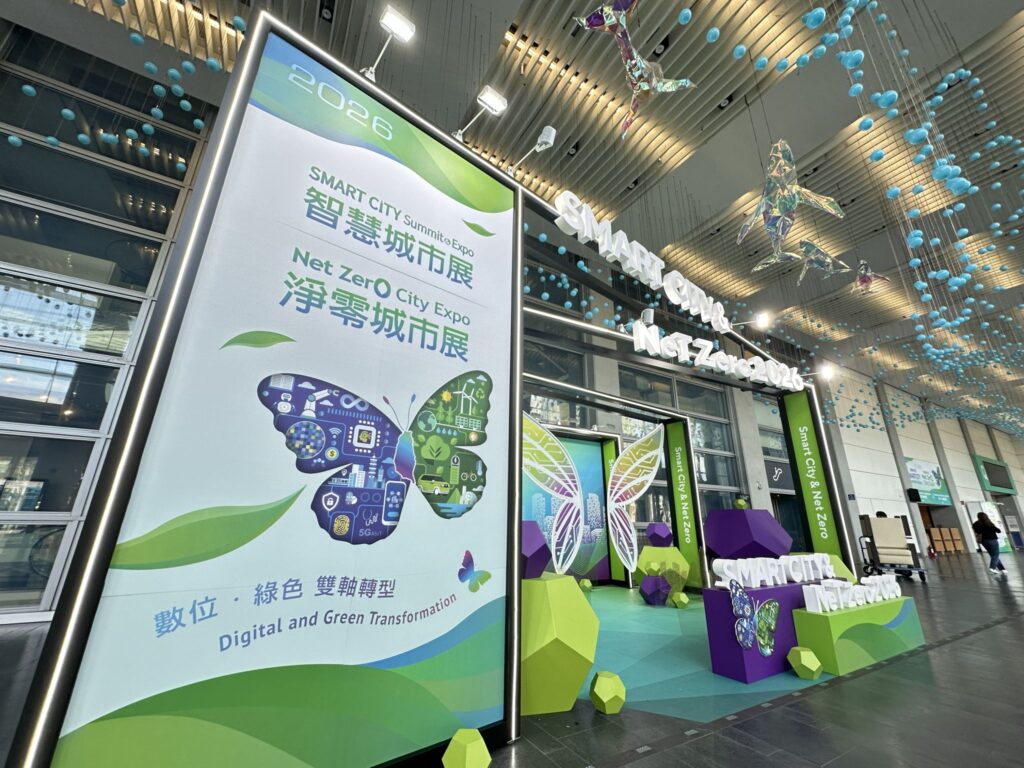
TAIPEI – Surrounded by advanced technologies at the Smart City Summit & Expo (SCSE) 2026 in Taipei, Taiwan, one stood out the most: a robot that cooks a bowl of ramen from scratch.
The robot arm moved quickly and precisely. It picked up the noodles, placed them into boiling water, and then arranged the toppings one by one. In less than two minutes, a bowl of ramen was ready to be served. There was no chef, no conventional kitchen; only machines, algorithms, and automated systems working continuously.
At first glance, it appears to be an attraction. But behind it, there is a solution to real-life challenges: a limited workforce in the food industry, the need for efficiency, and maintaining consistent quality standards. From that one bowl of ramen, a concrete picture of a smart city begins to emerge.
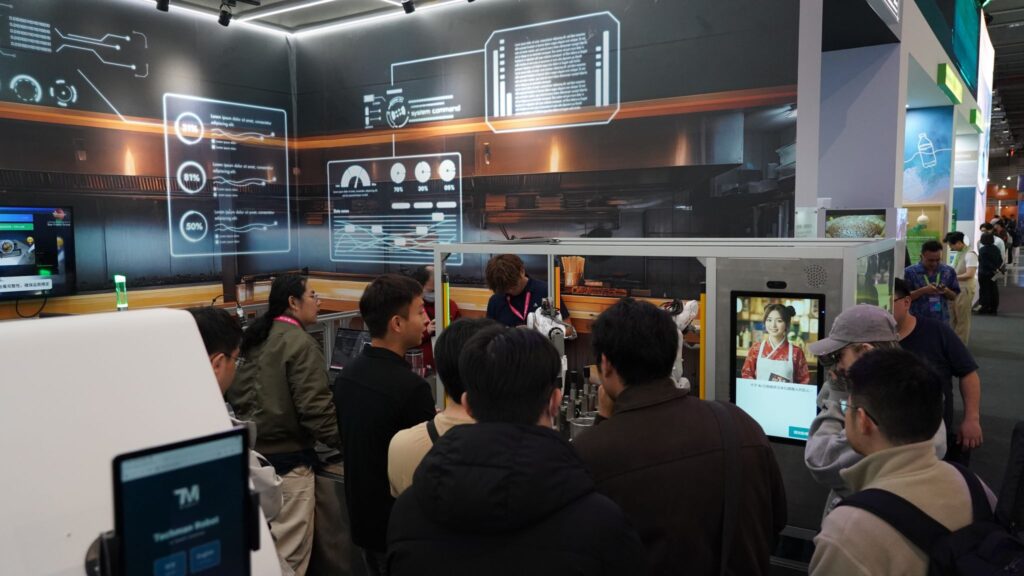
As a visitor from Indonesia, this experience feels like a contrast. This kind of technology is rare in my daily life, and I usually only see it through news, videos, or presentations. Seeing how it works in real life offers a new perspective. What often sounds futuristic is actually already being implemented.
Smart City Miniature in One ‘Stage’
Experiencing the Smart City Summit & Expo 2026 feels like walking through a miniature version of a smart city. Inside, it is not just a collection of booths, but parts of a city system being rebuilt. From transportation and energy to safety and public services, everything is connected through technology.
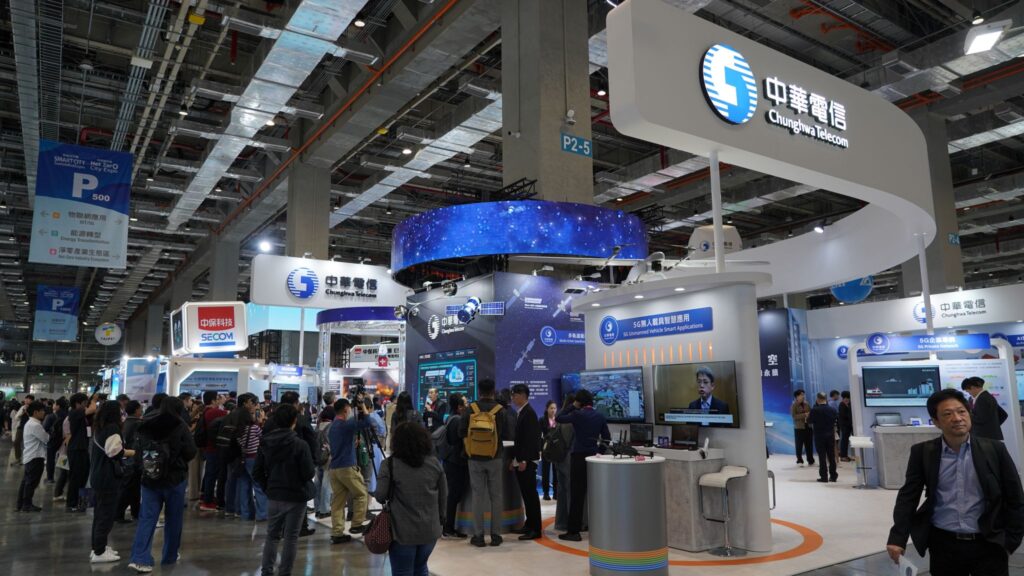
Additionally, companies like Chunghwa Telecom show how communication services form the backbone of a city, ensuring that data continues to flow even during emergencies.
On the other hand, companies like MiTAC Information Technology and Delta Electronics are working to introduce AI-driven energy and governance solutions. One example is the concept of a virtual power plant, which enables more flexible and efficient electricity distribution.
This system integrates multiple small-scale energy sources, such as solar panels, batteries, or local generators, and manages them through software so they operate like a single large power plant.
Meanwhile, companies like Taiwan SECOM are introducing automated security systems, including drones and monitoring technologies capable of conducting patrols without human intervention.
None of these solutions stand alone. Each one feels like part of a larger system, almost like seeing how a city operates from the inside.
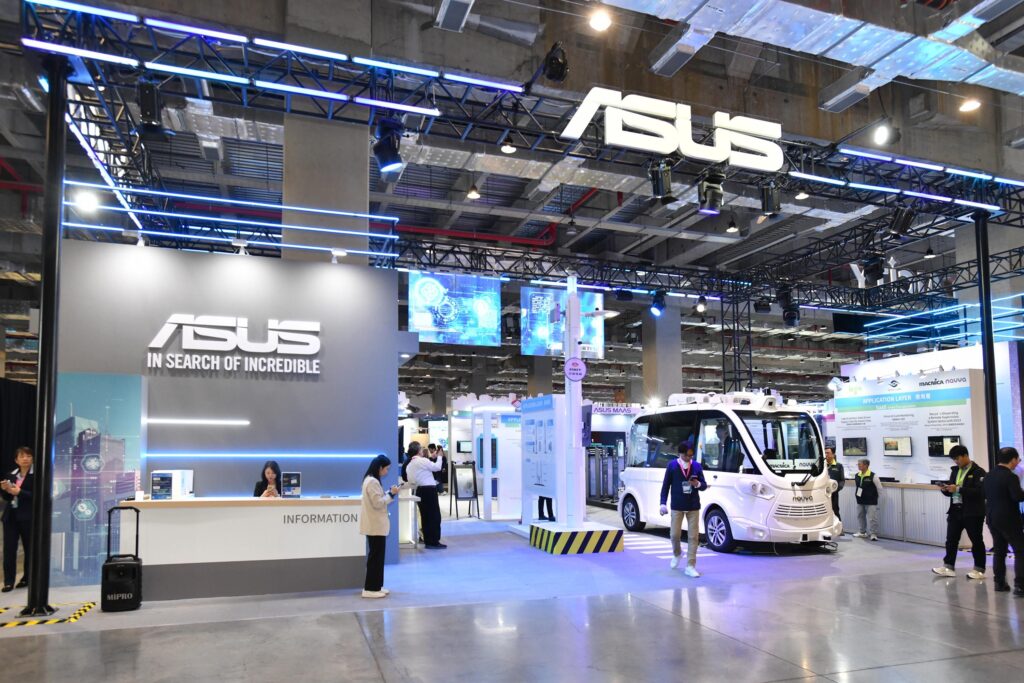
This approach is especially evident at the AI City Pavilion, where companies like ASUS and Foxconn demonstrate how cities can be built as fully integrated ecosystems. From computing infrastructure to public service applications, everything is designed to be interconnected and adaptable to the specific needs of each city.
Interestingly, almost all the solutions showcased at the exhibition share a common thread: artificial intelligence (AI) and sustainability. From cooking robots to urban energy systems, AI no longer stands as a separate technology but acts as a layer that connects and integrates various functions.
For many visitors, at least for me, the experience offers a new perspective. A smart city is no longer just a distant, abstract concept or something confined to presentations. It becomes something tangible, understandable, and easier to imagine in everyday life.
In the end, the Smart City Summit & Expo 2026 does not only highlight what technology can do, but also how it fits within the context of a city. And in Taipei, that picture feels quite clear: a smart city is not just about innovation, but about how systems work together, even starting from something as simple as a bowl of ramen.
Adinda Pryanka attended SCSE 2026 at the invitation of the Taipei Computer Association.