
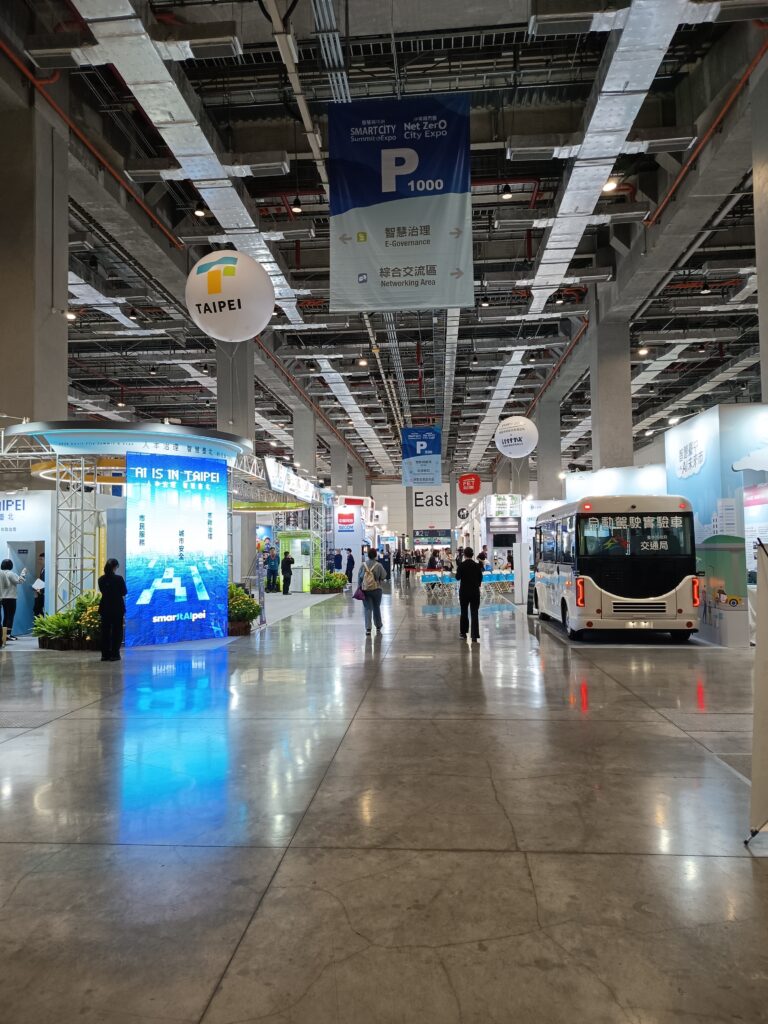
TAIPEI – My understanding of artificial intelligence (AI), robots, and electric vehicles (EVs) is limited to what I see in the news.
However, at the Smart City Summit & Expo (SCSE) 2026 in Taipei, Taiwan, everything feels real. Terms that sound sophisticated and high-tech are no longer just words, but rather technologies that are already in use.
In this exhibition, which is held from Tuesday (17/03/2026) until Friday (20/03/2026), Taipei is transformed into a major showcase for the future of smart cities.
From AI and smart energy to robots that can support city operations, the exhibition shows that smart cities are no longer an abstract concept. They are being built step by step through collaboration between governments, industry, and technology providers.
One of the most interesting things to me is from ASUSTeK (Asus), a Taiwan technology company. They introduced a strategy called “Sovereign AI’ for smart cities.
Basically, this idea centers on a key question that is becoming increasingly important: who controls urban data? Instead of sending sensitive citizen data to foreign servers, this concept encourages cities to own and manage their own AI systems.
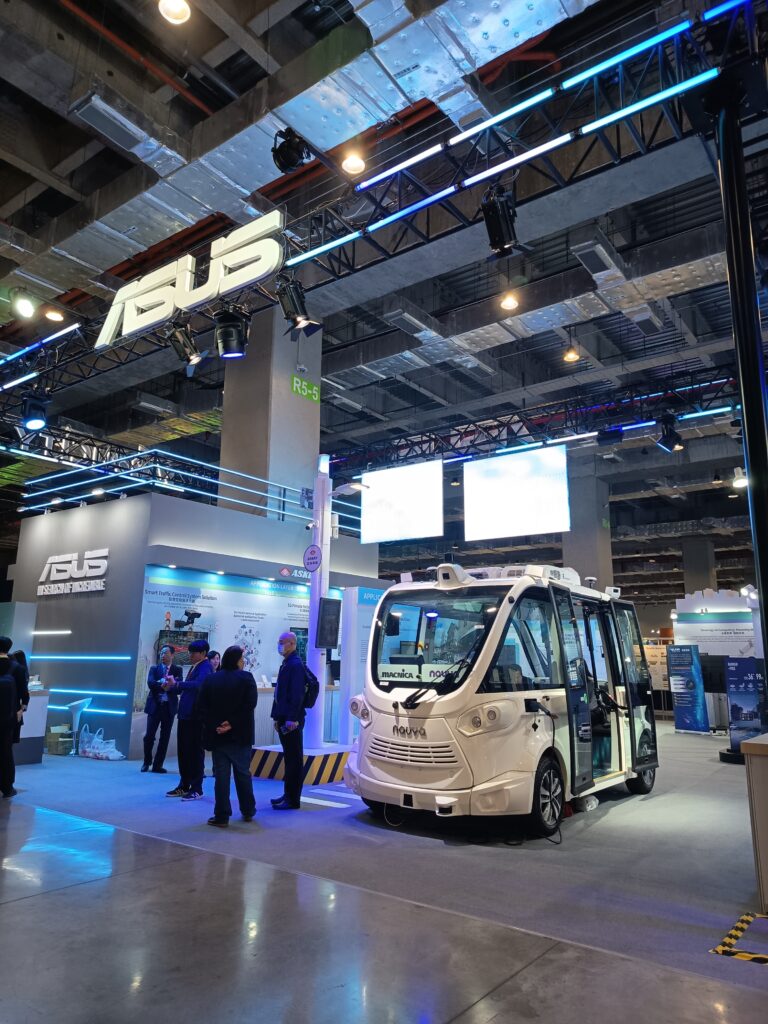
Asus introduced a five-layer “AI City” architecture, ranging from computing and AI models to platforms, applications, and innovation, which can be tailored to each city’s needs and capacity.
According to Asus, this approach is already tested in Taipei and Taichung, the two biggest cities in Taiwan. Asus and Taiwan AI Cloud even showcased the Formosa Foundation Model, a model that is designed to understand data, linguistic, and local cultural contexts.
“Our goal is to empower every city to be more resilient, efficient, and human-centric,” said Samson Hu, co-CEO of ASUS and president of the Taiwan Smart City Solutions Alliance.
This statement to me feels aligned with this year’s exhibition theme: technology is important, but good technology is technology that truly helps people.
When Technology Becomes Visible
In another area of the exhibition, these technologies were presented in more tangible forms. Chunghwa Telecom, a telecommunications operator from Taiwan, showcased its Smart Railway Digital Twin Technology, which uses 5G connectivity and AI-based analytics to replicate real-time train operational data.
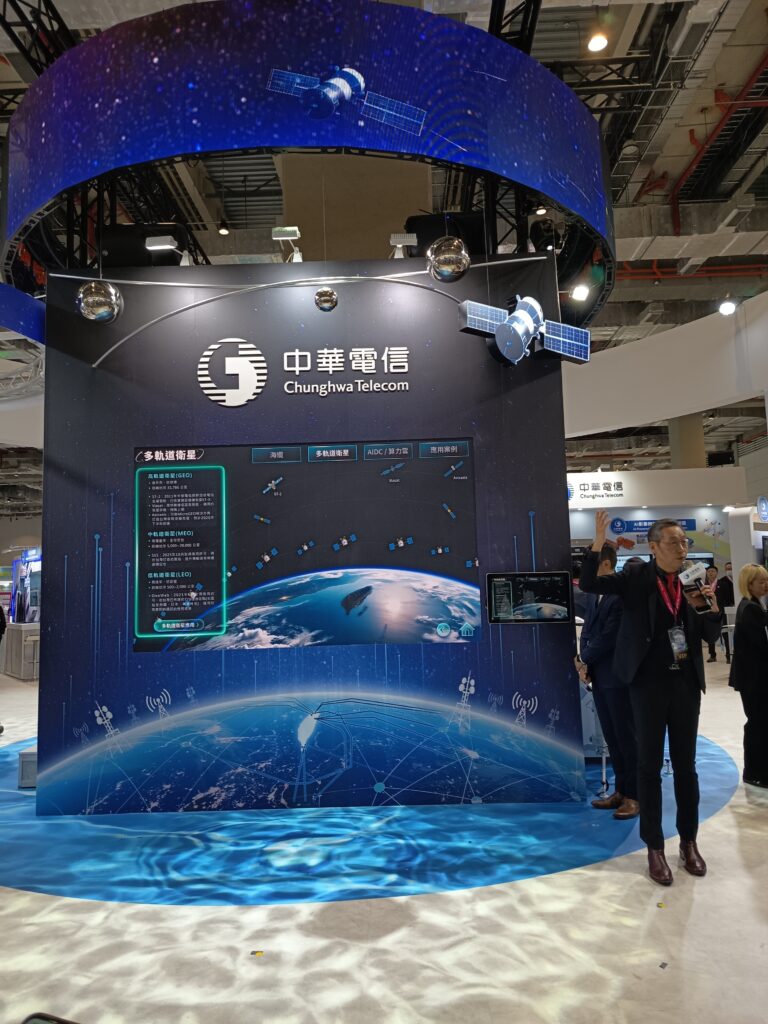
The goal of technology is simple but important. They want to assist in operational efficiency and coordination between maintenance teams.
For visitors, this is a concrete example of how the concept of a digital twin is not just advanced, but a tool for creating a faster and more precise transportation system.
On the energy side, the exhibition also highlights one key point: smart cities cannot function without a strong power system.
The Virtual Power Plant pavilion demonstrates how distributed energy resources can be managed as a single, large network that is more flexible and resilient to disruptions.
One example featured is the Tainan Tree Valley Park project, described as Taiwan’s first 24/7 carbon-free power hub. It shows that the energy transition and smart city development now go hand in hand, rather than as separate agendas.
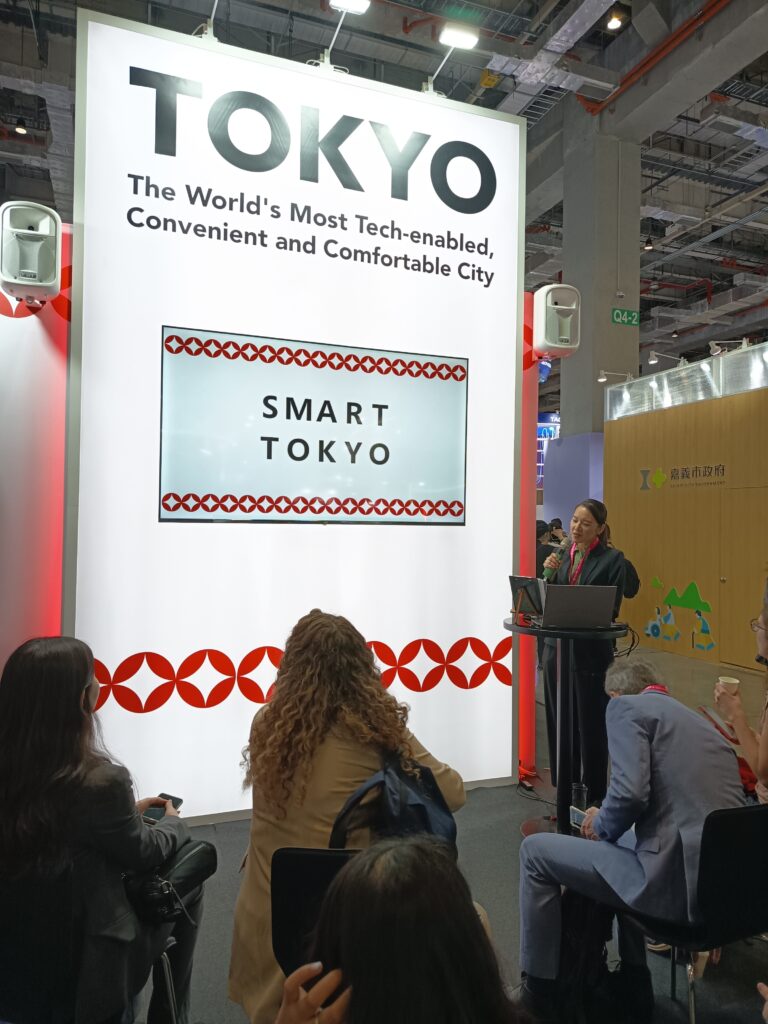
The presence of international delegations, including the Tokyo Metropolitan Government and several Japanese manufacturers, also gives the exhibition a more global dimension.
They presented the Tokyo Digital Twin Project, which connects cyberspace with physical infrastructure to support urban planning and disaster response.
From an outside perspective like mine, what makes Smart City Summit & Expo 2026 interesting is not merely the number of booths, forums, or prominent figures in attendance.
What matters more is the shift in perspective visible there. Cities are no longer just users of technology. They are beginning to be positioned as system owners, data managers, and drivers of innovation.
And for me, that was the most striking moment: all the topics I usually read about and write on a screen were now right in front of me.
Adinda Pryanka attended SCSE 2026 at the invitation of the Taipei Computer Association.